
A single unlicensed stock image buried in a client deliverable from eighteen months ago can trigger a five-figure demand letter that lands on your desk with zero warning. Agencies juggling dozens of client accounts, multiple stock platforms, and rotating freelancers face this risk every day. The good news is that the most common compliance failures follow predictable patterns, and each one has a straightforward fix. This article breaks down those patterns, gives you concrete systems to prevent them, and includes a ready-to-use audit checklist you can deploy this week.
Photo by Markus Winkler from Pexels
TL;DR:- Most agency compliance failures stem from scattered documentation, missing audit routines, and untrained staff downloading assets without understanding licence terms.
- Regular quarterly audits, a centralized licence archive, and onboarding-level training eliminate the vast majority of risk.
- Tools like Licence Downloader let you bulk-pull licence certificates across platforms so proof is always at hand when a client or lawyer asks.
Common Pitfalls Agencies Face

Not every compliance failure looks dramatic. Most of them are quiet, slow-building gaps that only become visible when someone external asks for proof. Here are the patterns that show up again and again:
- No single source of truth. Licences live in individual email inboxes, scattered browser bookmarks, and platform dashboards that only one person can access. When that person leaves, the trail goes cold.
- Mismatched licence scope. A designer downloads an image under a standard licence, then the account team uses it in a paid social campaign that requires an extended or editorial licence. Nobody checks.
- Freelancer blind spots. External contractors use their own stock accounts, deliver final files, and never hand over licence proof. The agency assumes the asset is covered. It is not.
- Expired subscriptions. A team cancels a Shutterstock or Envato Elements plan, but assets downloaded under that plan keep appearing in new projects. Depending on the platform terms, usage rights may have changed.
- No audit cadence. Compliance gets attention once a year, usually right after a scare. By then, hundreds of assets have been used without documentation.
"Many companies underestimate the complexity of compliance, leading to costly mistakes that can result in fines, reputational damage, or even business shutdowns.">, Common Compliance Mistakes Companies Make When Entering a New Market
Each of these pitfalls is fixable. The rest of this article shows you how.
How Poor Documentation Hurts
Documentation is the foundation. Without it, every other compliance effort collapses. Consider what happens when a client's legal team sends a routine request: "Please provide licence proof for all images used in the Q1 campaign."
If your documentation is scattered, the response process looks like this:
- A producer spends hours searching Shutterstock download history, Adobe Stock invoices, and Freepik receipts.
- Someone realizes a freelancer sourced three images from iStock under a personal account that has since been closed.
- The agency cannot produce certificates for two assets and has to negotiate directly with the rights holder.
What good documentation looks like:
- Every asset gets a unique internal ID tied to the project, the platform, the licence type, and the download date.
- The licence certificate (PDF or screenshot) is stored alongside the asset file in a shared drive or DAM system.
- A simple spreadsheet or database tracks which client project used which asset, so you can answer any audit question in minutes, not days.
Centralizing this does not require expensive software. A well-structured Google Drive folder with a naming convention like [ClientCode]-[Platform]-[AssetID]-licence.pdf already puts you ahead of most agencies. For teams handling hundreds of assets per month, a tool like licencedownloader.com can bulk-export certificates from Freepik, Shutterstock, Adobe Stock, Envato, iStock, and Canva into one archive, cutting the manual work down to minutes.
Why Regular Audits Matter

An audit is not a punishment. It is a health check. Agencies that run quarterly licence audits catch problems when they are small and cheap to fix, instead of discovering them during a legal dispute.
A practical audit cycle has three steps:
- Inventory. Pull a list of every stock asset used in the quarter. Cross-reference it against your licence archive.
- Gap analysis. Identify assets missing certificates, assets used outside their licence scope, and assets sourced by freelancers without documentation.
- Remediation. For each gap, either locate the missing certificate, purchase the correct licence retroactively, or replace the asset before it causes a problem.
Agencies that audit quarterly report completing each cycle in a fraction of the time it takes teams that only audit annually. The reason is simple: fewer assets to review, fresher memory of where things came from, and smaller gaps to close.
Staff Training Closes the Gap

Systems only work when people use them. The most common reason agencies fail at compliance is not a lack of tools. It is a lack of understanding among the people who actually download and place assets every day.
Training does not need to be a two-day seminar. A 30-minute onboarding module covering these topics eliminates most mistakes:
- Licence types explained. Standard vs. extended vs. editorial. What each one allows. Specific examples: "A standard Shutterstock licence covers up to 500,000 print copies. If the client's brochure run exceeds that, you need an extended licence."
- Platform-specific rules. Freepik requires attribution on free-tier assets. Canva Pro assets lose usage rights if the subscription lapses. Envato Elements grants a licence per end product, not a blanket licence.
- Documentation workflow. Where to save the certificate, how to name the file, and who to notify when a freelancer delivers an asset without proof.
- Escalation path. What to do when you are unsure about a licence. Who in the agency makes the call.
Refresher sessions twice a year keep the knowledge current, especially as platforms update their terms. Adobe Stock changed its AI-generated content policies in 2024. Shutterstock revised its subscription cancellation terms. If your team does not know about these changes, they cannot comply with them.
Building a Robust Compliance System
This is where the pieces come together. A compliance system is not a single tool. It is a combination of process, people, and technology that runs without constant supervision.
The diagram below shows the core loop:
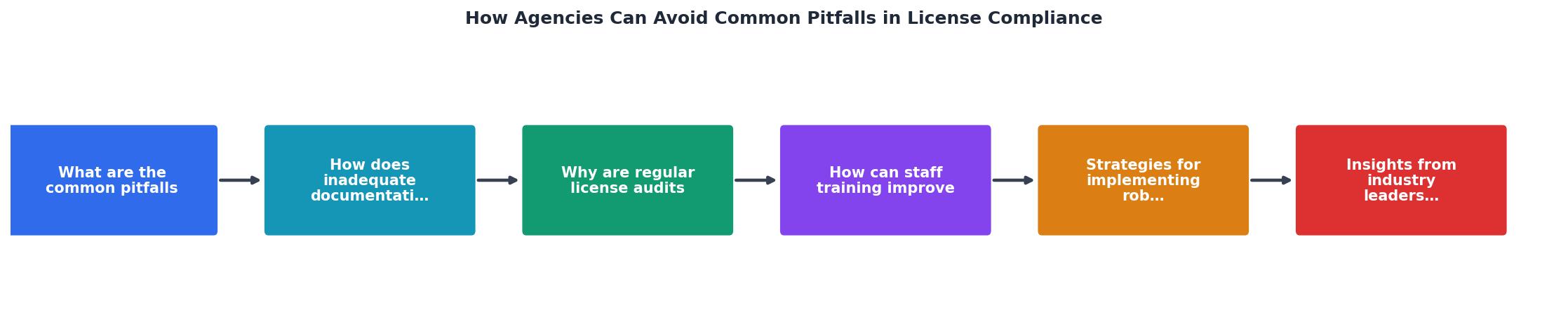
The steps in the loop are straightforward: Download the asset, Archive the licence certificate, Tag it to the client project, Audit quarterly, and Remediate any gaps. Each step feeds the next. Skip one, and the system breaks.
| Manual Approach | Automated Approach |
|---|---|
| Search each platform dashboard individually | Bulk-pull certificates from all platforms at once |
| Copy-paste licence info into spreadsheets | Auto-populate asset metadata and licence type |
| Rely on memory for freelancer assets | Require certificate upload before project closes |
| Annual audit takes 2-3 full days | Quarterly audit takes 30-60 minutes |
| Gaps discovered during legal disputes | Gaps caught and fixed proactively |
The following interactive card illustrates what a healthy compliance dashboard looks like for a mid-size agency handling around 200 stock assets per quarter across four platforms:
Agency Compliance Dashboard (Q2 Example)
In this example, 94% compliance means 13 assets still need attention. A quarterly audit catches those 13 before they become legal exposure. Without the audit, those gaps compound quarter after quarter until someone external finds them first.
Insights From Agencies That Get It Right
Agencies with strong compliance track records share a few habits:
- They assign ownership. One person (often the ops lead or producer) owns the licence archive. It is part of their job description, not an afterthought.
- They build compliance into project templates. Every new project brief includes a "licence documentation" section. Deliverables are not marked complete until certificates are filed.
- They treat freelancers like internal staff. Contractor agreements include a clause requiring licence proof for every stock asset. No proof, no final payment.
- They use automation where it counts. Bulk certificate downloads, automated reminders for quarterly audits, and platform API integrations reduce the manual burden.
- They review platform terms annually. Stock platforms change their terms. What was compliant last year may not be compliant today.
Agency Licence Compliance Audit Checklist
Your progress is saved automatically in your browser.
FAQ
Frequently Asked Questions
Additional Resources
- 5 common software license compliance mistakes - Here are five prevalent software license compliance mistakes that organizations often make, along with actionable steps to rectify them.
- Common Compliance Mistakes When Entering a New Market - Here are some of the most common compliance pitfalls companies face when entering new markets—and how to avoid them. Compliance mistakes. 1 ...
- 4 Biggest Pitfalls to Regulatory Compliance & How to Avoid ... - If you're applying for government assistance or simply defending your team's adherence to proper procedures, inadequate reporting capabilities can easily stall.