
Stock media licensing is changing faster than most freelancers realize, and the ones who ignore these shifts are the ones who end up scrambling when a client asks for proof they cannot produce. New subscription models, AI-generated content clauses, and tighter compliance expectations are reshaping how you source, use, and document every asset in your projects. This article breaks down the trends that matter right now and gives you a concrete plan to stay ahead of them.

TL;DR:
- Subscription-based and credit-hybrid licensing models are replacing simple per-image purchases across major platforms.
- AI-generated content is forcing new licence clauses that freelancers must understand before using those assets commercially.
- Automated licence management tools now handle what used to take hours of manual dashboard hunting.
- Staying competitive means building a licence documentation habit today, not after a client dispute.
Why licensing is shifting right now
Stock media licensing used to be straightforward. You bought an image, you got a licence, you moved on. That simplicity is gone. Platforms like Adobe Stock, Shutterstock, Freepik, and Envato have all introduced layered subscription tiers, credit bundles, and usage-specific add-ons in the past two years. The result: a single freelancer might operate under four or five different licence agreements simultaneously without even realizing it.
The driving forces behind these changes are clear:
- AI-generated content flooding stock libraries, creating new legal grey areas around ownership and commercial use rights.
- Platform consolidation as companies acquire competitors and merge licence terms.
- Client compliance demands growing stricter, especially for brands operating across multiple markets.
- Regulatory pressure in the EU and US pushing for clearer attribution and usage documentation.
That number matters. When you juggle multiple platforms, you juggle multiple licence structures. Each one has different rules about editorial vs. commercial use, print runs, digital distribution limits, and sub-licensing to clients.
New licensing models to watch

Three licensing model shifts stand out for freelancers in 2026:
Credit-hybrid subscriptions
Shutterstock and iStock now offer plans where a monthly subscription gives you a base number of downloads, but premium or exclusive content costs additional credits. This means your licence terms can vary within the same account depending on which asset you grabbed. A standard-licence photo and a premium-licence vector from the same Tuesday afternoon session carry different usage rights.
AI content clauses
Freepik, Adobe Stock, and Envato have all added specific clauses for AI-generated assets. Adobe's approach labels AI content explicitly and restricts certain commercial uses unless you hold an extended licence. Freepik's AI-generated images come with their own attribution requirements that differ from their human-created library. If you mix AI and traditional assets in a single client deliverable, you are operating under two sets of rules.
Platform-specific extended licences
Extended licences used to be a simple upgrade: pay more, get broader rights. Now each platform defines "extended" differently. On Envato Elements, an extended commercial licence covers merchandise and physical products. On Shutterstock, the same term covers print runs above 500,000 copies. Knowing which platform's "extended" matches your actual use case is no longer optional.
"Some reports say that content marketing now makes up 26% of the total marketing budget for companies in the B2B sector, and 38% of those companies plan to increase what they spend year over year.">, What is Content Licensing? The Ultimate Guide
That budget growth means more assets licensed, more compliance surface area, and more reasons to get your documentation right.
Compliance standards are tightening
Clients used to accept a casual "yeah, I bought that on Shutterstock" as proof of licensing. Those days are ending. Three specific compliance shifts affect freelancers directly:
- Client legal teams now request licence certificates before final payment on brand projects. This is standard practice at mid-size companies and agencies.
- Ad platforms (Meta, Google Ads) flag unlicensed or improperly licensed content more aggressively, sometimes pulling ads mid-campaign.
- Marketplace platforms (Amazon, Etsy, Shopify) require sellers to prove image licensing when a competitor files a takedown request.
The practical impact: you need exportable, verifiable licence documentation for every asset you deliver. Not a screenshot of your subscription page. An actual certificate or receipt tied to the specific asset, with the licence type and usage terms visible.
Technology in licence management

Manual licence management does not scale. If you download 20 assets a week across Freepik, Adobe Stock, and Canva, that is 80+ licence certificates per month you need to locate, download, name properly, and file. Multiply that by 12 months and you are looking at nearly 1,000 documents a year.
This is where automation changes the game. Tools like Licence Downloader let you bulk-find and download licence certificates across multiple platforms in minutes instead of hours. Instead of logging into each platform separately, navigating buried account pages, and manually saving PDFs, you pull everything into one organized archive.
The technology trend here is clear: centralized licence management is becoming as standard for freelancers as project management tools or cloud storage. The freelancers who adopt it early spend less time on admin and more time on billable work.
| Manual Licence Management | Automated Licence Management |
|---|---|
| Log into each platform separately | Connect all platforms once |
| Hunt through account pages for certificates | Bulk-download certificates in minutes |
| Name and file each document manually | Auto-organized by project, date, or platform |
| Risk missing expired or changed licences | Alerts for licence changes or expirations |
| Hours per month | Minutes per month |
How freelancers can adapt
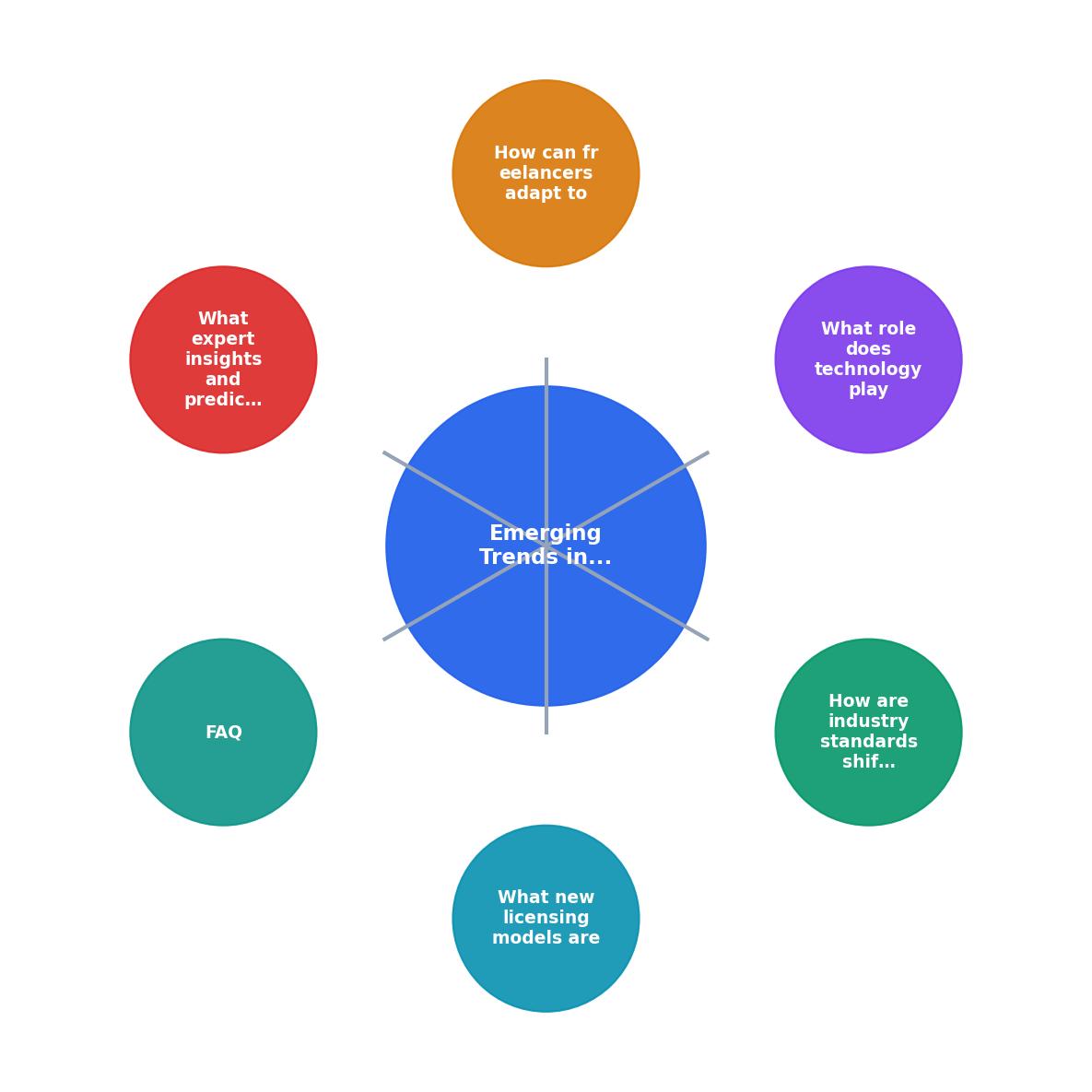
Adapting to these trends is not about overhauling your entire workflow. It is about building small habits that compound. Here is the process, step by step:
- Audit platforms you currently use. List every stock media account and its licence type.
- Read updated terms. Each platform updates licence agreements at least annually. Skim the changelog.
- Identify AI content in your recent downloads. Check whether those assets carry different usage restrictions.
- Centralize certificates. Use a tool or a structured folder system to store every licence certificate in one place.
- Set a monthly review. Spend 15 minutes once a month verifying your licence archive is current.
- Communicate with clients. Include a licence summary in your project deliverables. It builds trust and protects you.
Expert predictions for the future
The stock media industry is moving toward three outcomes that will directly affect freelance workflows:
Blockchain-verified licences are being tested by several platforms. The idea: each licence gets a tamper-proof digital record that both the creator and the buyer can verify independently. This is still early-stage, but Shutterstock and Getty have both filed patents related to blockchain-based asset tracking.
Unified licence standards across platforms remain a long-shot goal, but industry groups are pushing for it. A common licence format would let freelancers compare terms across Adobe Stock, Freepik, and Envato without needing a law degree.
AI-specific licensing tiers will likely become standard within the next 12 to 18 months. Expect to see separate pricing and separate terms for AI-generated vs. human-created content on every major platform.
That growth rate means AI content licensing is not a niche concern. It is the default reality for anyone sourcing stock media in 2026.
Here is an example dashboard showing how a typical freelancer's licence portfolio might break down across platforms and licence types:
Example Freelancer Licence Portfolio
Resource List: Staying Updated on Licensing Trends
Your progress is saved automatically in your browser.
FAQ
Frequently Asked Questions
Additional Resources
- What is Content Licensing? The Ultimate Guide - Content licensing allows companies to republish or repurpose published material through a legal agreement often referred to as a copyright license.
- Understand your licensing options - Licensing shouldn't be a hassle. Watch this short video to learn more about what you should consider when licensing stock media.
- The Social Media Marketers Guide To Stock Media Sites ... - Using stock images on social media is confusing. In this article, guest author, Selena, lays out what you need to know about usage rights.