
Stock media licensing is shifting fast, and small business owners who rely on platforms like Canva, Freepik, or Shutterstock for product photos, ads, and social content are about to feel it. New subscription structures, AI-generated content rules, and tighter global enforcement are all converging in 2026. If you buy stock images for your store or marketing, the rules you learned two years ago may already be outdated. This guide breaks down exactly what is changing, what it means for your business, and how to stay protected without hiring a lawyer.
TL;DR:- Stock platforms are moving toward usage-based and tiered licensing that charges differently based on how and where you use an image.
- AI-generated content now comes with its own licence categories, and many platforms treat it separately from human-created stock.
- Global enforcement is getting stricter, meaning a copyright claim can reach your Etsy shop or Facebook ad from another continent.
- Keeping organized, downloadable proof of every licence is no longer optional for small businesses.
What is actually changing?
The stock media licensing landscape looked relatively stable for years. You paid for a subscription, downloaded images, and used them within the licence terms. That simplicity is eroding. Three forces are reshaping how small businesses interact with stock licences in 2026:
- Platform consolidation means fewer companies control more content. Shutterstock acquired several smaller libraries. Adobe integrated stock directly into Creative Cloud. Canva expanded its content library through partnerships. Each merger brings new licence terms.
- AI content explosion forced every major platform to create new licence categories for AI-generated images, illustrations, and video.
- Regulatory pressure from the EU's Digital Services Act and similar laws in other regions pushed platforms to tighten attribution and usage tracking.
The result? Licence agreements are longer, more specific, and harder to skim. If you run a small e-commerce store and grab images from Canva Pro for your product listings, the terms you agreed to in 2024 have likely been updated at least twice since then.
New licensing models to watch

Several licensing structures are gaining traction across major stock platforms. Here is what small business owners should understand:
Usage-based tiers
Instead of a flat "standard licence" and "extended licence," platforms are introducing usage-based tiers. Freepik, for example, now differentiates between personal projects, commercial use under a certain revenue threshold, and enterprise-level commercial use. The price and permissions change at each tier.
What this means for you: an image you licensed for your blog might not be covered if you put it on product packaging or a paid ad campaign. Check the tier, not just the "commercial use" checkbox.
Seat-based restrictions
Canva Pro and Adobe Stock are tightening seat-based licensing. One licence covers one user. If you hand your Canva login to a freelancer or virtual assistant, the images they download may not be properly licensed under your account. Platforms are tracking concurrent sessions more aggressively.
Micro-licences for social media
Some platforms now offer micro-licences specifically for social media posts, stories, and short-form video. These are cheaper but come with strict limitations: time-bound usage (90 days), platform-specific (Instagram only, for example), and no print rights. They look like a bargain until you reuse that image on your website six months later without upgrading.
How AI changes the licence game

AI-generated stock images are everywhere. Adobe Firefly, Shutterstock's AI generator, and Canva's text-to-image tool all produce content that lives inside the same library as human-created photos. But the licensing is different.
Key differences for AI-generated stock content:
- No model releases. AI-generated faces are not real people, so there is no model release. But some jurisdictions are debating whether AI likenesses still require consent documentation.
- Indemnification gaps. Several platforms offer indemnification (legal protection) for human-created stock but exclude or limit it for AI-generated content. If someone claims your AI-generated product image infringes on their work, you may be on your own.
- Training data disputes. Ongoing lawsuits about whether AI models were trained on copyrighted material could retroactively affect the validity of AI-generated image licences.
AI also helps on the compliance side. Tools that use AI to scan your downloaded assets, match them against licence records, and flag expired or mismatched usage are becoming more accessible. A service like licencedownloader.com helps you bulk-download licence certificates from multiple platforms so you have audit-ready proof stored locally, not buried in a platform dashboard you might lose access to.
Global compliance is not optional
If you sell on Amazon, Etsy, or Shopify, your product listings are visible worldwide. That means copyright enforcement from any jurisdiction can reach you.
The EU Digital Services Act requires platforms to act faster on copyright complaints. A photographer in Germany who spots their image on your Etsy listing can trigger a takedown within hours, not weeks. The UK's updated copyright framework similarly strengthened enforcement for digital content. And in the US, the Copyright Claims Board now handles small claims up to $30,000 without requiring federal court.
"Advocacy's most popular publication, Frequently Asked Questions About Small Business, gathers the most up-to-date statistics about American small businesses in one place.">, Frequently Asked Questions About Small Business 2026
What does this mean practically?
- A copyright claim on your Facebook ad can get your ad account suspended, costing you revenue while you scramble for proof.
- Amazon sellers who receive IP complaints risk account-level penalties, not just listing removal.
- Even a resolved claim leaves a mark on your seller account health metrics.
The defense is simple but requires preparation: keep downloadable, dated proof of every licence for every stock image you use commercially. A screenshot of your Canva dashboard is not enough. You need the actual licence certificate or purchase confirmation tied to the specific asset.
Adapting your workflow
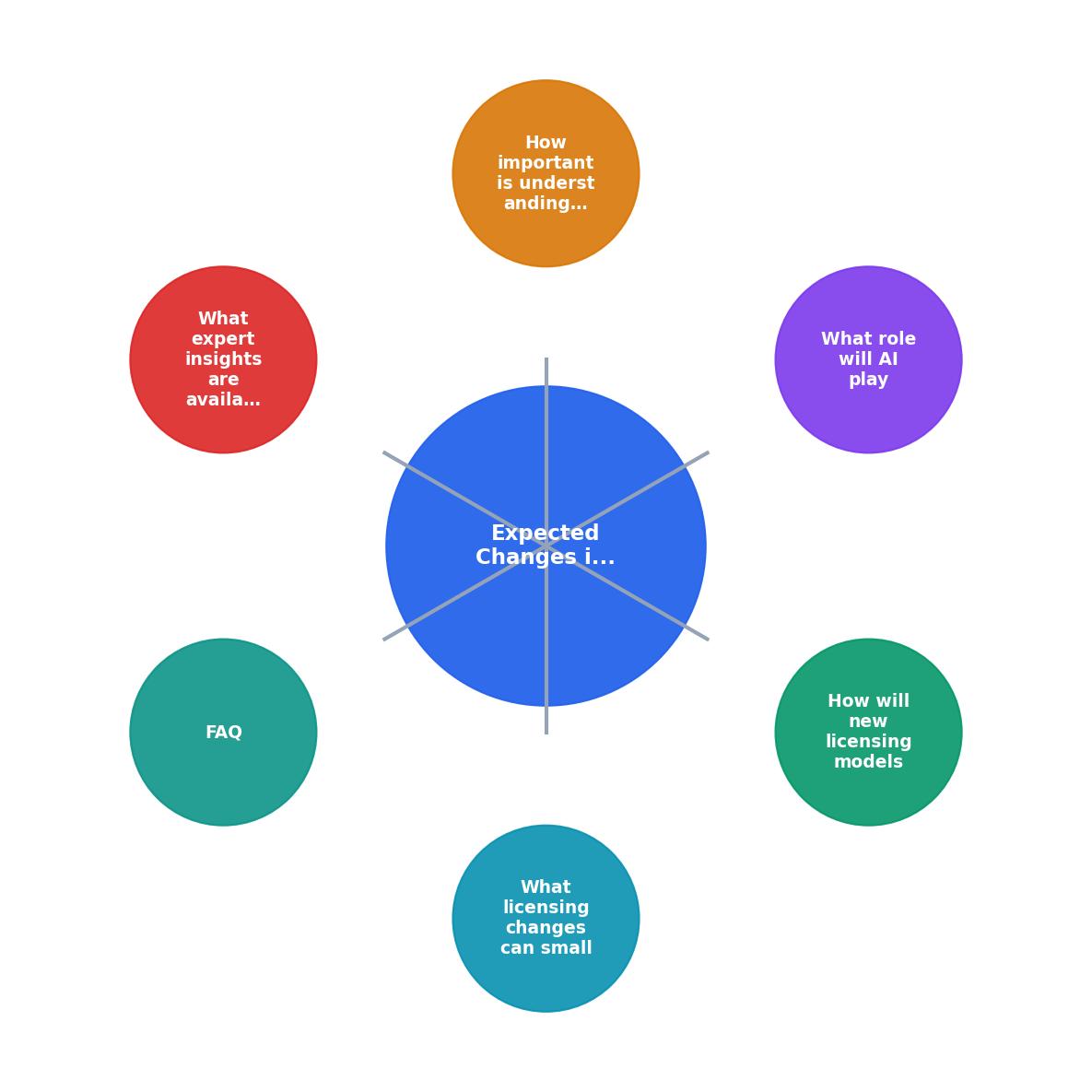
The diagram above shows the core steps: Audit current licences, identify gaps, download proof, organize by project, and set renewal reminders. Here is how to put that into practice.
Step 1: Audit current licences. List every stock platform you use. Log in to each one and check your download history. Note which subscription tier you are on and what it covers.
Step 2: Identify gaps. Look for images you downloaded under a free plan that you are now using commercially. Check for assets from cancelled subscriptions that might still be on your website.
Step 3: Download proof. For every active licence, download the certificate or purchase receipt. Store these locally and in cloud backup.
Step 4: Organize by project. Match each licence to the project or listing where the image appears. If an image is used in three places, note all three.
Step 5: Set renewal reminders. Subscription lapses can void your licence for future use of already-downloaded content on some platforms. Calendar reminders prevent accidental gaps.
Here is an example dashboard showing what a typical small business licence inventory might look like after completing these steps:
Example: Small E-commerce Licence Inventory
Expert predictions for 2026
Industry analysts point to several trends that will accelerate through the rest of 2026:
- Blockchain-based licence verification is being piloted by at least two major stock platforms. The goal is a tamper-proof record of who licensed what and when.
- Automatic licence embedding in image metadata will become standard. Your downloaded file will carry its licence terms inside the EXIF data.
- Platform interoperability for licence records is still years away, but early API standards are being discussed. Eventually, you might verify all your licences from a single dashboard regardless of where you bought them.
- Stricter enforcement on resellers. Print-on-demand and dropshipping businesses will face more scrutiny about the stock images used on products.
| Old Licensing Model | 2026 Licensing Model |
|---|---|
| Standard vs Extended | Multi-tier usage-based |
| One licence fits all uses | Platform-specific micro-licences |
| Manual record keeping | AI-assisted compliance tracking |
| Regional enforcement | Global cross-border enforcement |
| AI content unlabelled | AI content separately categorised |
Adapting to 2026 Licensing Changes
Your progress is saved automatically in your browser.
FAQ
Frequently Asked Questions
Additional Resources
- Frequently Asked Questions About Small Business 2026 - Advocacy's most popular publication, Frequently Asked Questions About Small Business, gathers the most up-to-date statistics about American ...
- Update to business license minimum threshold finalized for ... - A one-time increase to a higher threshold to $4000 for out-of-city businesses, effective January 1, 2026. Under model ordinance statute, cities ...
- How to Start a Business in North Carolina 2026 Guide - North Carolina blends affordability with growth. Here's your roadmap to starting a successful business. Original Publish Date: Jan 27, 2026.