
Fashion brands burn through hundreds of stock images every season for lookbooks, social campaigns, and e-commerce listings. One unlicensed photo in a paid Instagram ad can trigger a takedown, a legal demand letter, or worse. Understanding how stock media licensing works inside the fashion industry is not optional anymore. It is the difference between a smooth campaign launch and a five-figure settlement.
Photo by Kaan Keskin from Pexels
TL;DR:- Stock media licensing protects fashion brands from copyright claims that can derail campaigns and damage reputations.
- Different licensing models (royalty-free, rights-managed, editorial-only) each carry specific restrictions that matter for commercial fashion use.
- Keeping organized, audit-ready licence records saves time, money, and legal headaches when clients or platforms ask for proof.
How Fashion Designers Use Licensed Media
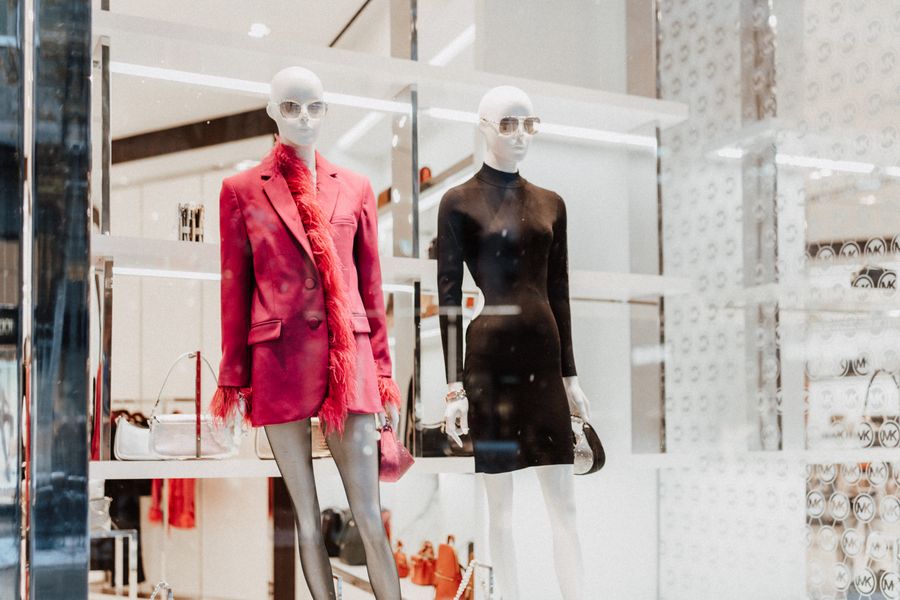
Licensed stock media appears in fashion workflows more often than most people realize. Here are the most common applications:
- Mood boards and concept decks sent to clients during the pitch phase. These often include stock lifestyle shots, texture close-ups, and color palette references pulled from Freepik, Adobe Stock, or Shutterstock.
- E-commerce product pages where stock backgrounds, flat-lay templates, and lifestyle context shots frame the actual product photography.
- Social media campaigns on Instagram, TikTok, and Pinterest. Brands mix original photography with stock video clips, animated overlays, and graphic templates.
- Lookbooks and line sheets distributed to buyers and press. A single lookbook might contain 20+ stock images alongside original editorial shots.
- Email marketing where header images, divider graphics, and promotional banners rely on licensed assets.
Why Protecting Creative Works Matters
Fashion is a visual-first industry. A brand's identity lives in its imagery. When a designer uses an unlicensed image in a client deliverable, the risk extends beyond a fine. It threatens the brand's reputation, the designer's professional standing, and the trust between both parties.
Copyright holders actively monitor usage. Companies like PicRights and Copytrack use reverse image search technology to find unlicensed uses of stock photos across the web. When they find one, they send demand letters ranging from $500 to $10,000 per image. For a freelance designer working on a seasonal campaign with 30 stock assets, that exposure adds up fast.
"The conversation underscores the significance of performing due diligence to ensure demand aligns with expectations.">, Licensing in the Fashion Industry: Unlocking Growth and Strategic Expansion
The legal side is only half the story. Platforms like Meta and Amazon have their own enforcement. Upload an image to a product listing or ad without proper licensing, and the platform can remove the listing, suspend the ad account, or flag the entire business page. For a small fashion brand running a product launch, losing ad access for even a week can tank a season.
Licensing Models in Fashion
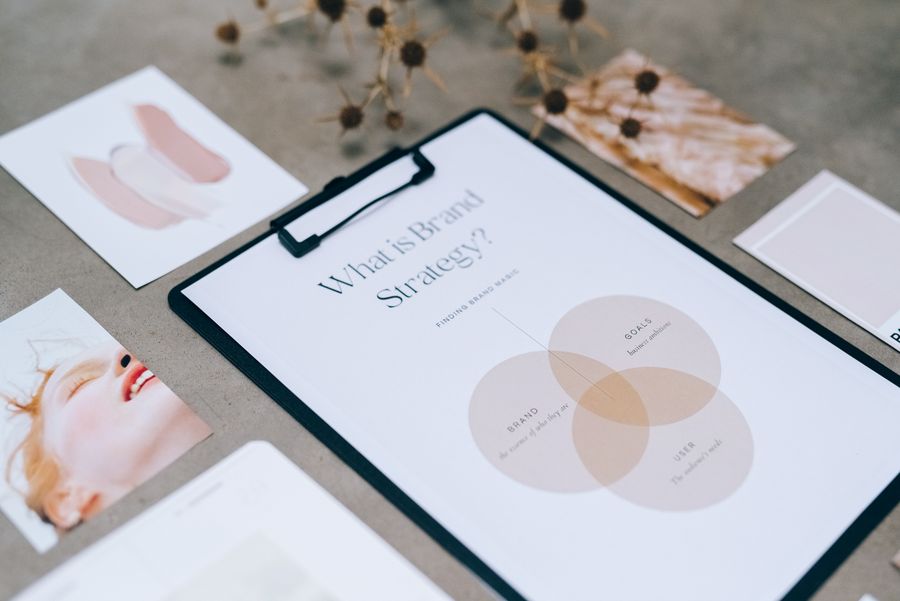
Not all stock licences are created equal. Fashion professionals encounter several distinct models, and picking the wrong one for a specific use case creates legal exposure.
| Licence Type | Typical Use in Fashion | Key Restriction |
|---|---|---|
| Royalty-Free (RF) | Social posts, web banners, email headers | No resale as standalone; check print run limits |
| Rights-Managed (RM) | Exclusive campaign imagery, billboards | Priced per use; exclusivity costs extra |
| Editorial-Only | Press coverage, blog articles, news | Cannot be used in ads or commercial promotions |
| Extended/Enhanced | Products for resale (prints, merch, packaging) | Required when the image IS the product |
| Subscription/Unlimited | High-volume social and web content | Platform-specific terms; check seat limits |
Royalty-free is the workhorse of fashion marketing. Platforms like Shutterstock and Adobe Stock sell RF licences that allow broad commercial use after a one-time purchase. But "royalty-free" does not mean "restriction-free." Most RF licences cap print runs at 500,000 copies and prohibit using the image on merchandise for resale without an extended licence.
Rights-managed licences still appear in high-end fashion campaigns where exclusivity matters. A luxury brand running a global billboard campaign does not want the same stock image appearing in a competitor's ad. RM pricing reflects that exclusivity.
Editorial-only licences trip up fashion bloggers and PR teams constantly. That stunning runway photo on a stock platform might be tagged editorial-only, meaning it cannot appear in a paid promotion or product listing. Using it in a sponsored Instagram post violates the licence terms.
The following diagram shows how a typical licensing decision flows from asset selection to final use:
The steps are straightforward: Identify Need, Search Stock Platform, Check Licence Type, Verify Use Case Match, Download Asset, Store Licence Proof, Deploy in Project. Skipping "Verify Use Case Match" is where most violations happen.
Impact on Brand Identity and Marketing
Stock media licensing directly shapes how a fashion brand presents itself. Brands that invest in properly licensed, high-quality stock imagery maintain visual consistency across channels. Brands that cut corners end up with mismatched visuals, pulled ads, and legal disputes that distract from actual creative work.
Consider a mid-size streetwear label launching a spring collection. Their marketing plan includes:
- 40 Instagram posts mixing product shots with lifestyle stock imagery
- A 15-second TikTok ad using stock video clips of urban street scenes
- An email sequence with 8 header images sourced from Envato Elements
- A digital lookbook with stock texture backgrounds
When all licences align, the campaign runs without interruption. When even one is wrong, the entire timeline is at risk.
Here is an example dashboard showing how a typical freelance designer's fashion project licence portfolio might look:
Fashion Project Licence Tracker
Example: Spring Collection Campaign (47 assets)
Consequences of Non-Compliance
The penalties for using stock media without a valid licence in fashion are concrete and measurable:
- Demand letters from copyright enforcement agencies typically range from $750 to $5,000 per image. Repeat offenders face higher demands.
- Platform takedowns on Meta, Google Ads, or Amazon can remove active campaigns mid-flight. Reinstatement takes days or weeks.
- Client contract breaches occur when a designer delivers assets with unlicensed media. The client bears the legal risk and passes it back to the designer.
- Reputation damage spreads fast in the fashion community. A copyright dispute flagged publicly can cost future contracts.
Managing Licences Effectively

Staying organized does not require a complex system. It requires consistency. Here is what works:
- Download licence certificates at the moment of purchase. Every platform (Shutterstock, Adobe Stock, Freepik, Envato) generates a licence document. Grab it immediately. Do not assume you can find it later.
- Name files consistently. Use a pattern like
[Platform]-[AssetID]-[LicenceType]-[Date]. Example:Shutterstock-2198437651-RF-2026-03-15.pdf. - Store licences alongside project files. Create a
/licencesfolder inside every project directory. When you archive the project, the proof travels with it. - Use a tool for bulk retrieval. If you work across multiple platforms and download dozens of assets per month, manually hunting for each certificate is not sustainable. A tool like licencedownloader.com pulls licence certificates from multiple stock platforms in bulk, giving you audit-ready proof without the manual grind.
- Audit quarterly. Set a calendar reminder. Open your recent projects, verify every stock asset has a matching licence file. Fix gaps before they become emergencies.
Fashion Licence Management Template
Your progress is saved automatically in your browser.
FAQ
Frequently Asked Questions
What is your current system for tracking stock media licences across fashion projects? If you have found a method that works, it would be great to hear about it in the comments.
Additional Resources
- Licensing in the Fashion Industry: Unlocking Growth and ... - Apparel licensing is a crucial strategy within the fashion industry, offering a pathway for brands striving to reach new markets and audiences.
- Fashion licensing grew 8.1% in 2024: report - Fashion licensing grew 8.1% in 2024, outpacing the total global licensing industry, which grew by 3.7%, according to the study. A lack of new ...
- Fashion & Apparel Licensing: Trends, Challenges, and Growth - Fashion leaders are turning to apparel brand licensing for new revenue streams. Learn how licensing management technology plays a role in optimizing growth.