
A client emails you six months after a project wraps, asking for proof that the hero image on their homepage is properly licensed. You dig through three different stock platform dashboards, two email inboxes, and a folder labeled "misc receipts" before giving up and buying the image again. This scenario plays out constantly for freelancers who skip licensing strategy. The fix is not complicated, but it does require a deliberate system built before the panic hits.
Photo by Markus Winkler from Pexels
TL;DR:- Pick the correct licence type for every asset before you use it in client work.
- Store licence certificates in a single, searchable archive tied to each project.
- Review platform licence terms at least quarterly, because they change without warning.
- Communicate usage rights to clients in writing so both sides know the boundaries.
Why licensing strategy matters
Stock image disputes cost freelancers real money. A single copyright infringement claim can run anywhere from a few hundred dollars in settlement fees to five figures in legal costs. The problem is not that freelancers ignore licences on purpose. The problem is that "I'll deal with it later" becomes the default when deadlines stack up.
"Statistical Insight: According to a WIPO survey, registered copyrights are 60% more likely to lead to successful resolution in infringement cases.">, How to Protect Your Copyrights as a Freelancer: A Global Guide
A licensing strategy is not a legal luxury. It is a business process that protects your income, your reputation, and your client relationships. Freelancers who treat licence management as part of their workflow spend less time on admin fires and more time on billable work.

Select the right licence type
Not every stock licence is the same. Picking the wrong one creates liability even when you paid for the asset. Here is what to evaluate for every download:
- Standard vs. Extended licence - Standard licences typically cover web use, social media, and presentations. Extended licences cover merchandise, print runs above a threshold, and resale items. If your client sells physical products with the image on them, standard will not cut it.
- Editorial vs. Commercial - Editorial-only images cannot appear in ads, product pages, or promotional materials. Using an editorial image commercially is a violation regardless of payment.
- Seat and user restrictions - Some platforms tie licences to a single user account. If you download an image on your Shutterstock seat and hand the file to a client's in-house designer, the licence may not transfer.
- Platform-specific quirks - Freepik requires attribution on free-tier downloads. Adobe Stock includes legal indemnification on certain plans. Envato Elements licences expire if you cancel your subscription but cover existing published work. Each platform has its own rules.
The best approach: read the licence summary page on each platform you use, save a screenshot or PDF of the terms, and match the licence type to the project scope before downloading.
Build a licence record system

A licence is only useful if you can find it when someone asks. That means building a record-keeping system that connects each asset to its licence proof and the project it was used in.
Here is a structure that works:
- Project folder - Create a subfolder called
licencesinside every project directory. - Naming convention - Name each licence file with the asset ID and platform:
shutterstock_1234567_licence.pdf. - Spreadsheet tracker - Maintain a simple spreadsheet with columns for: asset ID, platform, licence type, download date, project name, client name, and expiry date (if applicable).
- Backup - Store licence files in cloud storage with automatic sync. Local-only storage is one hard drive failure away from disaster.
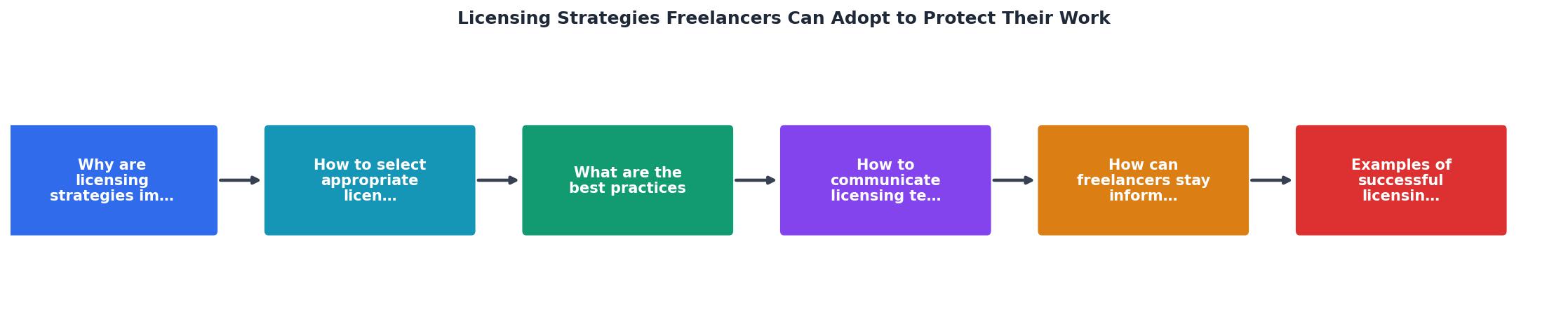
The diagram above shows the core flow: Select licence, Download certificate, Archive with project, Review quarterly. Each step feeds the next. Skip one and the chain breaks.
Here is an example dashboard showing what a typical freelancer's licence collection might look like after implementing a proper system:
Example: Freelancer Licence Archive
Communicate terms to clients

Clients rarely understand stock licensing. They assume that because they paid you for a design, they own everything in it forever, for any purpose. That assumption creates risk for both of you.
Here is how to set expectations clearly:
- Include a licence summary in your deliverables. A one-page PDF listing each stock asset, its source, licence type, and permitted uses takes ten minutes to create and saves weeks of back-and-forth later.
- Add a licence clause to your contract. State explicitly that stock assets are licensed (not owned), that the licence terms of the originating platform apply, and that the client is responsible for staying within those terms after handoff.
- Flag restrictions proactively. If an image is editorial-only, say so. If a font licence covers web use but not app embedding, say so. Clients appreciate the heads-up far more than the surprise.
- Provide the actual certificate. Do not just tell clients the image is licensed. Hand them the PDF. It takes the burden off your shoulders and gives them something to show their own legal team.
| Without Clear Communication | With Clear Communication |
|---|---|
| Client uses editorial image in ads | Client knows usage boundaries upfront |
| Dispute lands on freelancer | Responsibility is documented and shared |
| No proof trail for either party | Both sides hold licence certificates |
| Relationship damaged by surprise claims | Trust built through transparency |
Stay current on licence changes
Stock platforms update their licence terms regularly. Envato Elements changed its licensing structure in 2024. Adobe Stock adjusted indemnification coverage. Freepik revised attribution requirements for free-tier users. If you set your strategy once and never revisit it, you will eventually operate on outdated assumptions.
Practical steps to stay informed:
- Subscribe to platform newsletters. Every major stock site sends email updates when terms change. Read them.
- Check the licence page quarterly. Set a calendar reminder. Open each platform's licence terms page and scan for changes.
- Follow industry forums. Communities on Reddit (r/graphic_design, r/freelance) and design-focused Slack groups often flag licence changes before they hit mainstream coverage.
- Re-download certificates after renewals. When you renew a subscription, confirm that existing licences still apply under the new terms. Some platforms issue updated certificates.
Successful strategies in practice
Real-world examples show what works:
- Per-project licence folders. A brand designer working across Freepik and Adobe Stock creates a
licences/subfolder in every project. When a client's legal team requested proof for 12 images used in a product launch, she delivered all 12 certificates within an hour. No scrambling, no re-purchasing. - Contract-first approach. A web designer includes a stock licensing appendix in every contract. It lists each asset, its platform, and the licence type. One client tried to use a standard-licensed image on merchandise. The appendix made it clear that an extended licence was needed, and the client upgraded before any violation occurred.
- Quarterly audit habit. A freelance illustrator reviews all active subscriptions every three months. During one review, she discovered that Envato Elements had updated its terms for cancelled accounts. She exported all certificates before downgrading her plan, preserving her proof of licence for published work.
Licence record-keeping checklist
Freelancer Licence Record-Keeping Guide
Your progress is saved automatically in your browser.
FAQ
Frequently Asked Questions
What licensing system do you use to keep track of stock assets across projects? Share your setup in the comments.
Additional Resources
- How to Protect Your Copyrights as a Freelancer: A Global ... - Freelancers rely on their creativity to make a living, so protecting intellectual property is essential. This guide explores key strategies ...
- Do I Own My Work? Understanding IP Rights for ... - Learn how freelancers and creatives can safeguard ownership, navigate contracts, and enforce their intellectual property rights.
- IP Ownership in Freelance Contracts: Protecting Your Work ... - Freelancer retains copyright and grants client rights to use work, but can license the same work to others. Client Gets: Right to use work as ...