
You bought a stock photo on Canva, used it in a Facebook ad targeting customers in Germany, and three weeks later received a takedown notice citing a licensing restriction you never knew existed. This scenario is not rare. When your marketing crosses borders, your licence obligations cross borders too. Understanding how globalization changes the rules for stock media licensing is the difference between running your business confidently and getting blindsided by a legal letter.
Photo by Monstera Production from Pexels
TL;DR:- Globalization means your stock images can end up in jurisdictions with different copyright rules than where you purchased them.
- Cross-border licensing creates compliance gaps around territorial restrictions, moral rights, and platform-specific terms.
- Small businesses protect themselves by keeping organized licence records, understanding regional differences, and using tools like licencedownloader.com to maintain audit-ready proof.
Why borders matter for your images
Stock media platforms sell licences, not images. That distinction gets important fast when your Etsy store ships to 30 countries or your Instagram ads reach audiences across the EU, Southeast Asia, and North America simultaneously. The licence you clicked "agree" on was written under a specific legal framework, usually US or UK law. But the countries where your content appears have their own copyright statutes, and those statutes do not always align.
A standard royalty-free licence from Shutterstock or Adobe Stock grants broad usage rights. Broad does not mean universal. Some licences contain territorial restrictions that limit where content can be displayed commercially. Others reference local laws around moral rights, which in countries like France and Germany give the original creator rights that cannot be waived by contract.
The practical result: a photo that is perfectly legal on your US website might create liability when used in a print campaign distributed in the EU. Small businesses rarely have legal teams to catch these nuances. That is exactly why organized licence documentation matters.
Cross-border licensing challenges
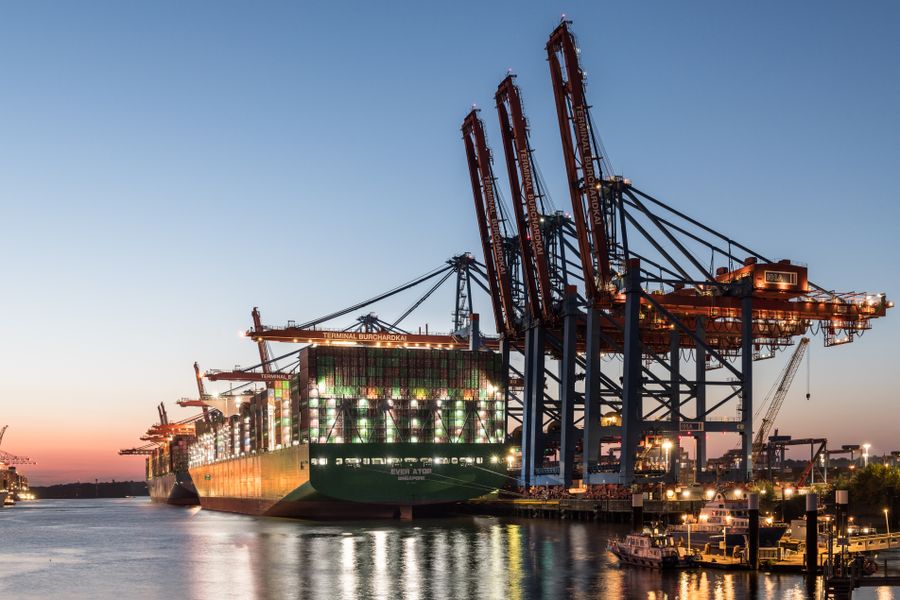
Selling globally introduces three categories of licensing headaches for small businesses:
- Conflicting legal frameworks. The US operates under a "fair use" doctrine. The EU uses "fair dealing" with narrower exceptions. Japan has its own copyright act with specific provisions for digital use. Your single stock licence sits on top of all these systems at once.
- Platform terms vs. local law. Freepik's licence agreement might allow commercial use on social media ads. But if a country's advertising regulations require explicit model releases for commercial imagery, and your stock photo lacks one for that jurisdiction, you have a problem the platform terms cannot solve.
- Enforcement unpredictability. Copyright trolls operate internationally. A company monitoring image usage in Germany can file a claim against your business even if you purchased the licence in the United States. Without accessible proof of your licence, defending yourself becomes expensive and slow.
"In fact, it's estimated that some 57% of product searches in the United States begin on Amazon's website or app.">, How Globalization Shapes Costs for Small Businesses
That statistic highlights how much commerce flows through global platforms. If your product listings on Amazon, Etsy, or Shopify use stock imagery, those images are visible in every market the platform serves. Your licensing exposure scales with your reach.
Navigating different legal frameworks

You do not need a law degree. You need a system. Here are concrete strategies that work for small businesses operating across borders:
Read the actual licence, not the marketing page. Every stock platform has a licence agreement PDF or legal page. Canva's Content Licence Agreement, Freepik's Terms of Use, and Shutterstock's Licence Agreement each define territorial scope differently. Spend 15 minutes reading yours. Look for phrases like "worldwide," "non-exclusive," and "territory."
Check for model and property releases. If your ad features a recognizable person or private property, the release requirements vary by country. Germany's Recht am eigenen Bild (right to one's own image) is stricter than US standards. Stock platforms usually indicate whether a release is included, but the indicator is easy to miss.
Separate editorial from commercial licences. An image licensed for editorial use (blog posts, news articles) cannot legally appear in a product listing or paid advertisement in most jurisdictions. This distinction trips up small business owners who grab images from their Canva library without checking the licence type.
Keep every licence certificate. This is the single most effective protection. When a claim arrives, the first thing you need is proof that you held a valid licence at the time of use. Platforms like Freepik and Shutterstock bury licence certificates deep in account dashboards. Downloading and organizing them proactively saves you from scrambling later.
The following diagram shows a practical workflow for staying compliant:
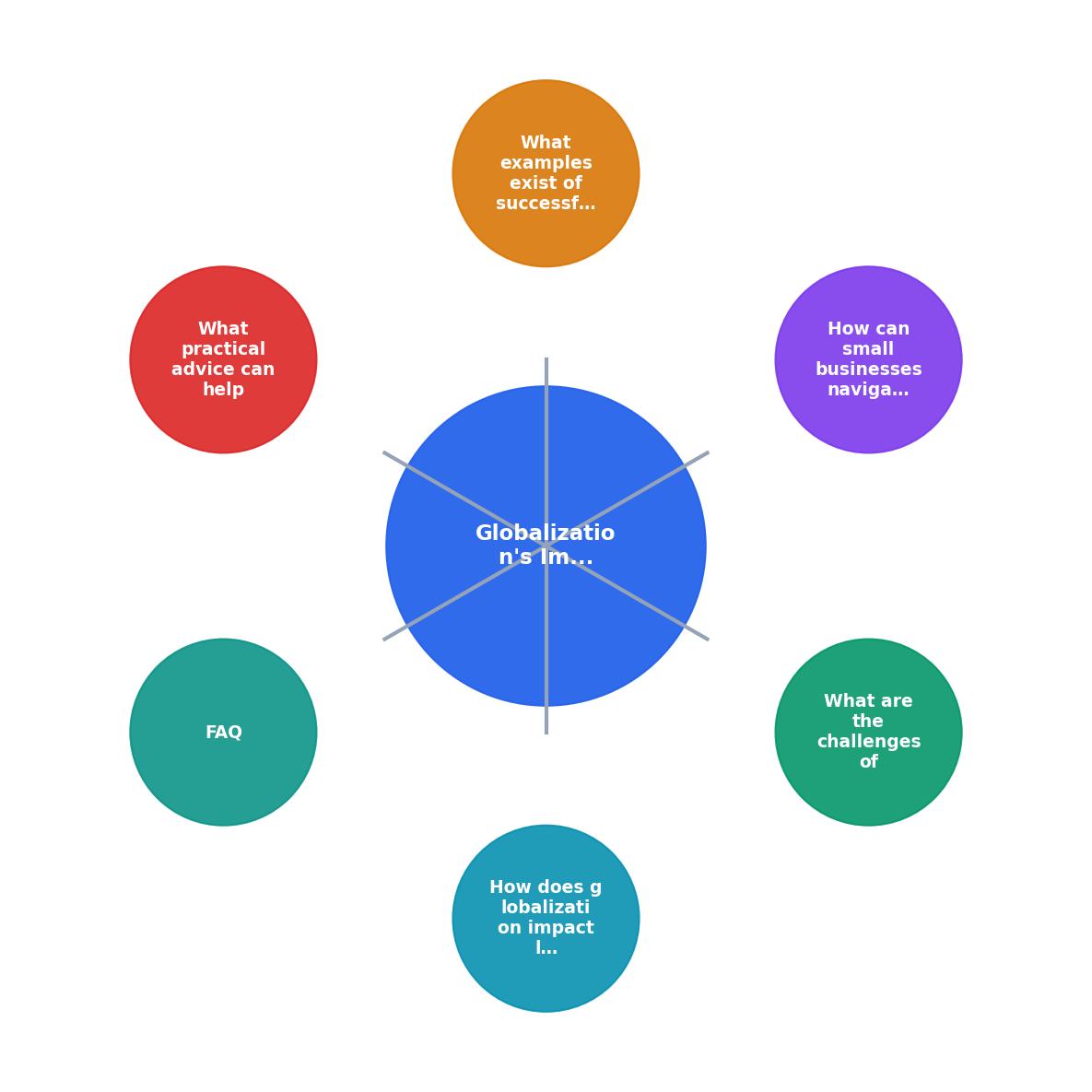
The steps are straightforward: Identify target markets, Review licence terms, Check release requirements, Download licence proof, and Archive for audit. Following this sequence each time you acquire a new stock asset builds a compliance habit that scales with your business.
Real adaptation strategies that work

Small businesses that handle international licensing well share a few common traits:
They centralize their licence records. Instead of leaving certificates scattered across Shutterstock, Adobe Stock, and Canva dashboards, they download everything into a single folder structure organized by project or date. Tools like licencedownloader.com automate this across multiple platforms, turning hours of manual work into minutes.
They match assets to markets before publishing. A small e-commerce brand selling handmade jewelry on Etsy reviewed every product listing image against the Etsy seller agreement and the stock licence terms before expanding to EU markets. The review took one afternoon and caught two images with editorial-only licences being used commercially.
They use extended licences for high-exposure content. Standard royalty-free licences typically cap print runs or limit use in products for resale. When a business plans to print an image on merchandise sold internationally, upgrading to an extended licence removes those caps. The cost difference is usually $50 to $200, far less than a single copyright claim.
They document everything. A screenshot of the download confirmation, the licence PDF, and a note about where the image was used. This three-piece record takes 60 seconds to create and can save thousands in legal fees.
Here is how regional licensing norms compare across three major markets:
| Aspect | United States | European Union | Japan |
|---|---|---|---|
| Copyright basis | Fair use doctrine | Fair dealing (narrower) | Copyright Act with digital provisions |
| Moral rights | Limited, often waivable | Strong, non-waivable in many states | Strong, recognized by statute |
| Model release strictness | Moderate | Strict (especially Germany, France) | Moderate to strict |
| Enforcement style | Litigation-heavy | Regulatory + litigation | Regulatory-focused |
| Typical claim cost | $750 - $30,000+ | €1,000 - €25,000+ | ¥100,000 - ¥3,000,000+ |
The following card summarizes the compliance landscape for a typical small business selling across three regions:
International Licence Risk Snapshot
International Licensing Compliance Checklist
Your progress is saved automatically in your browser.
FAQ
Frequently Asked Questions
What is the most unexpected licensing issue you have encountered while selling internationally? Share your experience below.
Additional Resources
- How Globalization Shapes Costs for Small Businesses - Globalization has transformed how small businesses operate, affecting everything from labor costs to supply chain expenses and marketing strategies.
- 10 Ways How Globalization Impacts Small Businesses - Globalization has opened doors for small businesses to sell their products and services to a wider customer base, transcending geographical limitations.
- The Big Impact If Small Businesses Would Export - We know that small businesses that export report higher sales, employ more people, pay higher wages, and are, on average, more productive than ...