
In the fast-paced world of creative agencies, using stock media is a common practice to enhance projects efficiently. However, with the convenience of stock media comes the responsibility of legal compliance. Failing to adhere to licensing agreements can lead to costly legal repercussions. This article explores the essentials of maintaining compliance, the risks of non-compliance, and how agencies can effectively manage their licenses to avoid pitfalls.
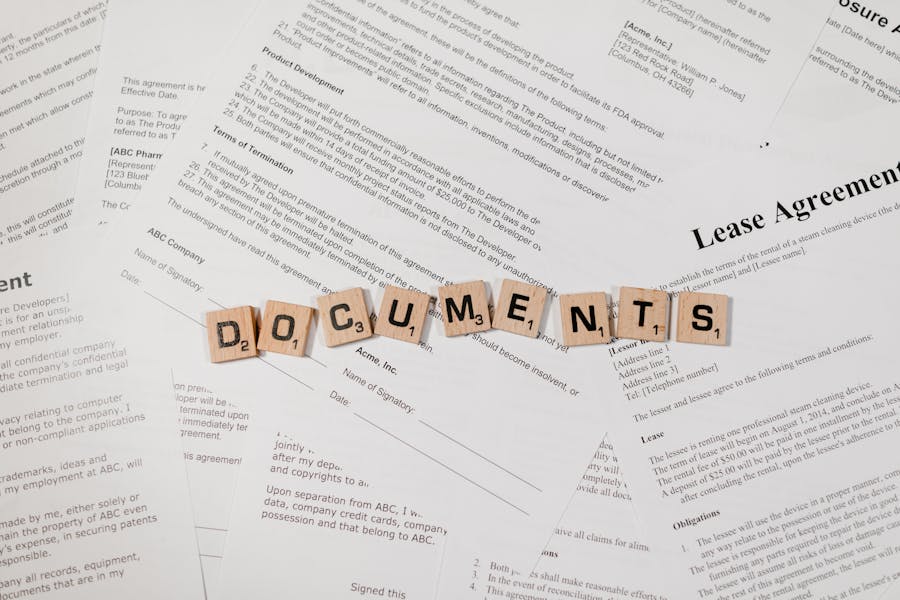
Photo by Markus Winkler from Pexels
TL;DR:
Agencies must maintain a comprehensive license archive and educate teams on compliance to avoid legal risks. Digital tools can facilitate this process, ensuring audit readiness.
Why is Legal Compliance Critical for Agencies Using Stock Media?
Legal compliance is not just a bureaucratic box to check, it's a critical component of risk management for agencies using stock media. Stock media platforms like Shutterstock, Adobe Stock, Getty Images, and others provide valuable content, but each comes with specific licensing requirements. Ignoring these can lead to legal disputes, financial penalties, and damage to an agency's reputation.
Key Risks of Non-Compliance:
- Legal Penalties: Agencies can face hefty fines if found using media without proper licenses. These penalties can vary significantly depending on the jurisdiction and the specific terms violated, sometimes reaching into hundreds of thousands of dollars.
- Reputation Damage: Legal issues can harm an agency's reputation, affecting client trust. Clients rely on agencies to uphold professional standards, including legal compliance. A tarnished reputation can lead to loss of clients and revenue.
- Operational Disruptions: Legal battles can divert resources and attention from core operations. The time and financial resources spent on resolving legal disputes can detract from the agency's primary business activities, hindering productivity and growth.
"Most of the state-level data privacy laws in the US also defer to COPPA regarding access to and handling of children’s personal data.">, Social Media Compliance: What To Know In 2024
What are the Key Legal Risks of Non-Compliance?
Non-compliance with stock media licenses can lead to severe consequences. Agencies have faced lawsuits resulting in settlements or fines that could have been avoided with proper license management. These cases highlight the importance of understanding and adhering to licensing terms.
Case Study: The Cost of Oversight
A well-known marketing agency faced a $100,000 fine after using unlicensed images in a major campaign. This oversight was not due to malicious intent but rather a lack of a centralized license management system. The agency had relied on individual employees to track licenses, leading to inconsistencies and errors. This case illustrates the critical need for organized documentation and the implementation of a centralized system to manage licenses effectively.
Key takeaway: Agencies must prioritize legal compliance in their operations to safeguard against financial and reputational risks. By investing in compliance measures, agencies can protect themselves from potential legal challenges and ensure that their creative projects proceed smoothly.
How Can Agencies Create an Audit-Ready License Archive?
Creating an audit-ready license archive involves establishing systematic processes for documentation and storage. This ensures that licenses are easily accessible and verifiable when needed, which is crucial during audits or legal inquiries.

Best Practices for Documentation
- Centralized Storage: Use a digital platform to store all licenses in one place. This can be a cloud-based document management system that allows for easy access and retrieval of licenses by authorized personnel.
- Regular Audits: Schedule periodic reviews to ensure all licenses are up-to-date. Regular audits help in identifying expired licenses, ensuring compliance, and preventing unauthorized usage of stock media.
- Access Control: Limit access to sensitive license information to authorized personnel only. Implementing strict access control measures helps in safeguarding sensitive information and preventing misuse or unauthorized distribution of licensed materials.
- Organized Filing Systems: Develop a standardized filing system with clear labels and categories for easy navigation. This reduces the time needed to locate specific licenses during audits or project planning.
What Digital Tools Assist in Compliance Management?
Several digital tools can streamline the process of compliance management, making it easier for agencies to keep track of their licenses and ensure they are audit-ready.
- Licence Downloader: This tool helps agencies bulk-download and store licenses, ensuring they have all necessary documentation readily available for audits.
- Digital Asset Management Systems (DAMS): Platforms like Adobe Experience Manager and Canto assist in organizing and managing digital assets and their licenses. These systems provide features such as version control, metadata tagging, and automated workflows that enhance efficiency and compliance.
- Compliance Management Software: Tools like ComplySci and LogicGate offer features for monitoring and ensuring compliance across various platforms. These tools provide dashboards and reporting capabilities that help agencies track compliance status and identify potential risks.
- License Tracking Software: Specialized software can track usage rights and expiration dates, sending alerts for renewals or potential violations. This proactive approach helps agencies stay ahead of compliance issues.
How Do International Licensing Laws Affect Agencies?
Understanding global compliance is crucial for agencies operating across borders. Different countries have varying laws regarding intellectual property and licensing, which can complicate compliance efforts for agencies working on international projects.
Navigating International Compliance
- Research Local Laws: Agencies must understand the licensing laws in each country they operate. This involves researching legal requirements for intellectual property and ensuring that all stock media used complies with local regulations.
- Consult Legal Experts: It's advisable to work with legal professionals familiar with international intellectual property laws. Legal experts can provide guidance on complex licensing issues and help agencies avoid costly mistakes.
- Adaptation to Local Markets: Agencies should adapt their licensing strategies to suit the specific requirements of each market. This might involve acquiring additional licenses or modifying project plans to ensure compliance.
- Continuous Monitoring: Stay informed about changes in international laws and adjust compliance strategies accordingly. This proactive approach helps agencies maintain compliance and mitigate risks associated with international operations.

Why is Continuous Education Important for Creative Teams?
Continuous education ensures that creative teams are aware of the latest compliance requirements and can avoid legal pitfalls. Regular training and updates on licensing laws help teams stay informed and make informed decisions when using stock media.
Training and Awareness Strategies
- Regular Workshops: Conduct training sessions on the importance of compliance. These workshops can cover topics such as understanding licensing terms, recognizing potential compliance issues, and using compliance tools effectively.
- Updates on Licensing Laws: Keep the team informed about changes in licensing laws. This can be done through newsletters, internal memos, or dedicated sessions that highlight recent changes and their implications for the agency.
- Use of e-Learning Platforms: Provide access to online courses related to legal compliance and intellectual property. E-learning platforms offer flexibility and can be tailored to the specific needs of the agency, ensuring that all team members receive the necessary training.
- Feedback Mechanisms: Implement feedback systems to gather input from team members on compliance challenges and training effectiveness. This information can be used to improve training programs and address any gaps in knowledge.
Checklist for Creating an Audit-Ready License Archive:
Agency License Compliance Audit Checklist
Your progress is saved automatically in your browser.
FAQ
Frequently Asked Questions
In the world of creative agencies, staying compliant with stock media licenses is not just about avoiding legal trouble, it's about protecting your agency's reputation and ensuring smooth operations. How does your agency manage its license compliance? Share your strategies in the comments.
Additional Resources
- Compliance Essentials: Social Media and Digital Advertising ... - The purpose of this guide is to review the statutory and regulatory background that applies to mobile/digital marketing so that financial institutions can ...
- Social Media Compliance: What To Know In 2024 - Social media compliance means following global data privacy laws in addition to the terms of use and guidelines of various social media platforms.
- Your Go-To Social Media Compliance Guide - This guide will help you with the right social media compliance strategy to mitigate risks, safeguard your reputation and confidently operate across markets.