
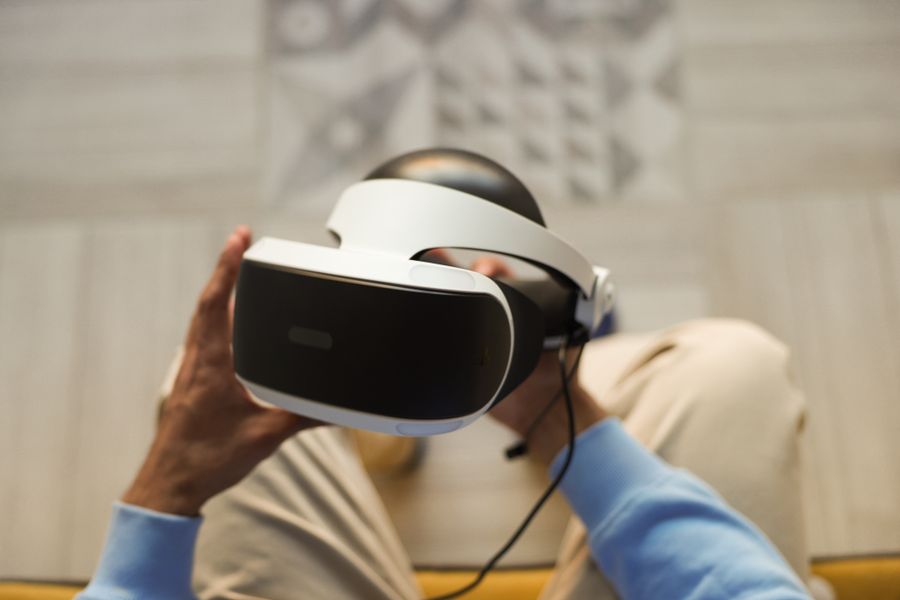
Your agency just landed a VR campaign for a major retail client. The creative team pulls stock assets from three platforms, a freelancer contributes 3D models under their own Envato subscription, and the final deliverable lives inside an interactive headset experience that users can manipulate in real time. Now the client's legal department asks one question: prove every asset is properly licensed for this format. Nobody on your team has a clear answer, because the licence agreements were written for flat JPEGs and MP4 pre-rolls, not spatial computing.
Photo by Anil Sharma from Pexels
TL;DR:- VR, AR, and interactive media formats introduce licensing grey areas that most stock platform agreements do not explicitly address.
- Agencies face compounding risk because assets cross multiple seats, freelancers, and delivery formats with no single source of truth.
- A proactive licensing strategy, including centralized proof-of-licence archives and format-specific legal review, is the only reliable way to stay audit-ready.
Where traditional licences fall short
Stock image and video licences were designed for a world of print ads, web banners, and broadcast spots. The standard terms define usage by medium: "digital", "print", "editorial", "commercial". That vocabulary breaks down the moment an asset enters a 3D environment, gets projected onto a real-world surface through AR, or becomes part of an interactive installation where the end user controls the camera angle.
Most agencies discover this gap only after a project ships. The licence certificate says "digital use, unlimited impressions" and the ops team assumes that covers a WebXR experience embedded on a product page. It might. It might not. The ambiguity itself is the risk.
Three specific format categories create the most friction:
- Virtual Reality (VR) content where 2D assets are texture-mapped onto 3D objects or environments.
- Augmented Reality (AR) experiences that overlay licensed visuals on real-world camera feeds.
- Interactive/generative media where user input changes how a licensed asset is displayed, cropped, or combined in real time.
VR licensing: the texture-mapping trap
When a designer wraps a stock photograph around a 3D object in Unity or Unreal Engine, the original image is technically being transformed. Some licence agreements explicitly prohibit using assets as textures in 3D applications. Others are silent on the topic. Silence is not permission.
Consider a concrete scenario. An agency builds a virtual showroom for a furniture brand. The team downloads 40 high-resolution fabric textures from Shutterstock and applies them to 3D sofa models. Shutterstock's standard licence allows use in "digital reproductions," but the enhanced licence FAQ specifically mentions "3D rendering" as a permitted use only under certain tiers. If the team downloaded under a standard subscription, those 40 assets may not be covered.
The operational headache multiplies when freelancers are involved. A contract 3D artist downloads textures under their personal Adobe Stock plan, applies them to models, and delivers the final .fbx files to the agency. The licence is tied to the freelancer's account. If that freelancer leaves the project, the agency has no proof of licence and potentially no right to continue using those textures in the client deliverable.
AR projects and real-world overlay risks
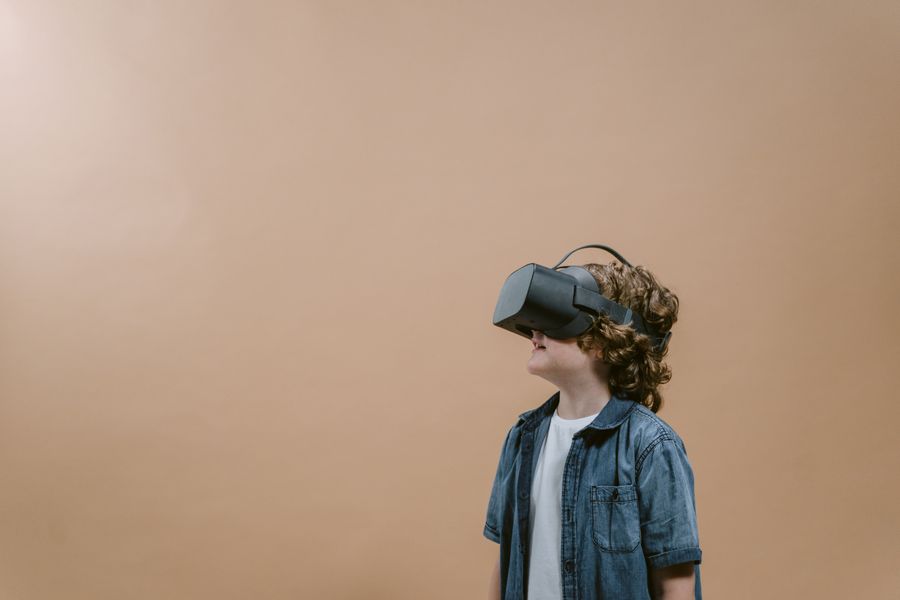
AR adds another layer of complexity: the licensed asset is composited with a live camera feed of the real world. This raises questions about context. A stock illustration of a cartoon character, licensed for "advertising use," might appear overlaid on a user's living room, a public street, or even a competitor's storefront depending on where the user points their phone.
Some licence agreements include clauses about "sensitive contexts" or "defamatory use." An AR experience that places a licensed asset in an unpredictable real-world context could inadvertently violate those clauses. The agency cannot control where the end user activates the AR layer.
Key issues specific to AR licensing:
- Geolocation triggers that display different assets in different regions, each potentially under different licence jurisdictions.
- User-generated combinations where the licensed asset appears alongside user-uploaded content the agency never reviewed.
- Persistence in AR cloud anchors, where a licensed asset remains "placed" in a physical location indefinitely, raising questions about licence duration.
"The improper application of these license terms can expose users to significant legal and financial risks.">, Copyright Risks in the Digital Age: Persistent Challenges and Emerging Complexit
That warning applies doubly when the "application" is a format the licence drafter never imagined.
Interactive content and generative use
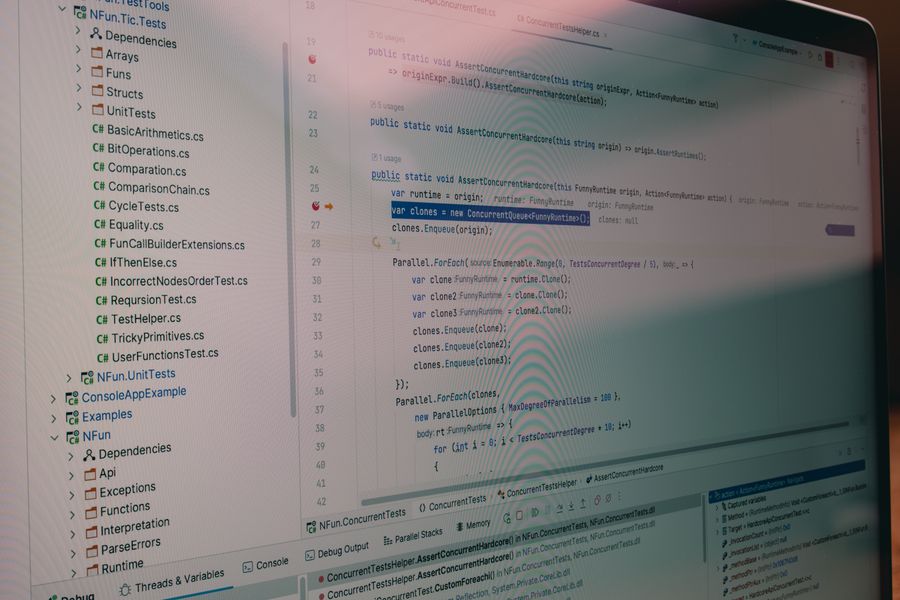
Interactive installations, configurators, and generative art pieces let users manipulate licensed assets in real time. A product configurator might let a shopper change the color, crop, or rotation of a stock photograph. A generative art installation might slice, blend, or distort licensed imagery based on sensor input.
Most stock licences explicitly prohibit creating "derivative works" from the licensed asset or redistributing the asset in a way that allows extraction. An interactive experience that lets users download or screenshot a manipulated version of a stock image could cross both lines.
Agencies building these experiences need to ask three questions before production starts:
- Does the licence permit modification of the asset by end users (not just the licensee)?
- Does the final output allow extraction of the original asset in any form?
- Is the asset embedded in a way that constitutes "redistribution" under the licence terms?
Building a proactive licensing strategy
The diagram below outlines a practical workflow for managing licences across emerging media projects, from asset selection through final audit.
The steps break down into five phases: Identify Format, Review Terms, Archive Proof, Flag Gaps, and Resolve Before Launch. Each phase has a clear owner and a deliverable.
Here is what that looks like in practice for an agency running multiple immersive projects:
- Identify Format early in the brief. Tag every project as "standard digital," "VR/3D," "AR overlay," or "interactive/generative" so the ops team knows which licence review path to follow.
- Review Terms for every platform the team plans to source from. Build a simple matrix: platform name, licence tier, and whether VR, AR, and interactive use are explicitly permitted, explicitly prohibited, or unaddressed.
- Archive Proof by downloading licence certificates for every asset at the moment of download, not months later when a client audit lands. Bulk-downloading certificates from Shutterstock, Adobe Stock, Freepik, Envato, and iStock in one pass saves hours.
- Flag Gaps where the licence is silent on the intended format. Escalate these to legal or to the platform's support team before the asset enters production.
- Resolve Before Launch by obtaining extended licences, switching to assets with clearer terms, or getting written confirmation from the platform.
The following interactive card shows a typical risk snapshot for an agency running three concurrent immersive projects. It illustrates how quickly unresolved licence gaps accumulate when emerging formats are involved.
Agency Licence Risk Snapshot (3 Active Projects)
Lessons from agencies that got it right
Two patterns emerge from agencies that handle emerging media licensing without fire drills.
Pattern 1: Licence-first asset sourcing. One mid-size agency in London shifted its asset procurement workflow so that the producer reviews licence terms before the creative team starts searching. If a project is tagged as VR or AR, the producer pre-approves a shortlist of platforms and licence tiers that explicitly cover immersive use. Creatives only search within that approved pool. This eliminated 90% of last-minute licence scrambles.
Pattern 2: Centralized proof archives. A 30-person digital agency in Toronto adopted a policy requiring every downloaded asset to have its licence certificate saved to a shared drive within 24 hours. They use Licence Downloader to bulk-export certificates from Shutterstock, Adobe Stock, and Envato at the end of each week. When a client's legal team requested proof for an AR campaign six months after launch, the producer pulled the full archive in under five minutes.
| Reactive Approach | Proactive Approach |
|---|---|
| Review licences after production | Review licences before asset selection |
| Certificates scattered across accounts | Centralized proof archive updated weekly |
| Freelancer assets untracked | Freelancer licence submission required on delivery |
| Audit requests take days | Audit requests resolved in minutes |
| Legal exposure discovered post-launch | Gaps flagged and resolved pre-launch |
Emerging Media Licence Management Plan
Your progress is saved automatically in your browser.
FAQ
Frequently Asked Questions
What is the most ambiguous licensing situation your agency has encountered with an immersive or interactive project? Share your experience so others can learn from it.
Additional Resources
- Overcoming 3 Common Challenges in Licensing for ... - There are 3 challenges that trip up companies new to licensing every time: Challenge #1: Identifying the Right License Most companies either ...
- Copyright Risks in the Digital Age: Persistent Challenges ... - The legal risks arising from using online content are persistent and often misunderstood, particularly with the explosive growth of technologies ...
- Interactive Media - Loeb & Loeb helps clients compete — and win — in today's rapidly evolving interactive media marketplace. We represent leading virtual and augmented reality ...