
Three years ago, your entire creative team sat in one office, logged into shared stock accounts from the same network, and licence certificates lived on a shared drive down the hall. Today half the team works from kitchen tables in different time zones, freelancers rotate in and out monthly, and nobody can tell you where the Shutterstock licence for that Q3 campaign hero image actually ended up. Remote work did not just change where agencies operate. It broke the informal systems that kept licence compliance together.
Photo by Vitaly Gariev from Pexels
TL;DR:- Remote and hybrid work shattered the informal, office-based licence tracking most agencies relied on, creating compliance gaps across platforms, people, and projects.
- Agencies that centralize licence records digitally, automate certificate downloads, and build clear offboarding processes recover control fast.
- Tools like centralized DAMs, bulk licence downloaders, and shared audit logs turn a distributed team from a liability into a non-issue for compliance.
The old system worked until it didn't
Before 2020, licence management at most agencies was a mix of tribal knowledge and good intentions. The senior designer knew which Adobe Stock plan covered editorial use. The office manager kept a spreadsheet of Envato Elements downloads. Invoices sat in a shared Google Drive folder someone created in 2017.
That system held together because proximity papered over the cracks. Need a licence certificate? Walk to Sarah's desk. Not sure if a Freepik asset covers print? Ask the person sitting next to you.
Remote work removed every one of those informal safety nets. Suddenly:
- Shared accounts got accessed from personal devices with no centralized session tracking.
- Licence certificates were downloaded to individual laptops and never uploaded anywhere shared.
- Freelancers used agency credentials, finished their contracts, and left with no handoff of what they downloaded or where the proof went.
- Platform dashboards became the only record, and most platforms bury licence history behind multiple clicks.
"The pandemic has had a lasting impact on how we work, with many individuals working from home full-time or on a hybrid schedule.">, License Requirements for Remote Employees
The result: when a client's legal team asks for proof that a campaign image was properly licensed, the agency scrambles. Files are scattered across Slack DMs, personal Downloads folders, email attachments, and platform accounts that may have changed plans since the original purchase.
Why distributed teams multiply risk

A 25-person agency using four stock platforms (say Adobe Stock, Shutterstock, Freepik, and Envato Elements) with five active freelancers creates a licence surface area that grows exponentially with distribution. Here is what goes wrong:
- No single source of truth. Each team member downloads assets to their own machine. Licence PDFs stay local or get lost entirely.
- Credential sharing becomes chaotic. Shared logins get passed through Slack, email, or sticky notes in a password manager. When someone leaves, nobody resets the credentials promptly.
- Time zone gaps delay compliance responses. A client in New York asks for licence proof at 9 AM EST. The designer who downloaded the asset works from Lisbon and won't be online for six hours.
- Freelancer offboarding is incomplete. Contract designers finish a project and move on. The assets they downloaded under agency accounts? Those licence records often leave with them.
These are not hypothetical problems. They are the daily reality for operations leads managing creative output across locations. One unproven licence in a client audit can cost more in legal fees and lost trust than a year of stock subscriptions.
Strategies that actually work

Agencies that have adapted well share a few common patterns. None of them involve going back to the office full-time.
Centralize licence storage immediately
Pick one location for all licence certificates: a shared cloud folder structure, a DAM (digital asset management) system, or a dedicated compliance drive. The rule is simple: if a licence certificate is not in the central archive, it does not exist for audit purposes.
Folder structure that works in practice:
/licences/2026/Q2/client-name/platform-name/- Each folder contains the asset file, the licence PDF, and a note with the download date and account used.
Automate certificate collection
Manually downloading licence certificates from six platforms for hundreds of assets per month is not sustainable. Tools like licencedownloader.com let agencies bulk-download licence proof from Shutterstock, Adobe Stock, Freepik, Envato, iStock, and Canva in one pass. That turns a multi-hour weekly chore into a few minutes.
Build offboarding into every freelancer contract
Add a clause: before final payment, the freelancer provides a list of every stock asset downloaded under agency accounts during the engagement. Pair this with a quick audit of the platform download history for that period.
Use platform-level seat management
Most stock platforms offer team or enterprise plans with individual seats. Adobe Stock for Teams, Shutterstock Enterprise, and Envato Organizations all provide per-user download histories. Use them. When a team member leaves, their download history stays with the agency account.
Here is how the full workflow connects in a remote-first agency:
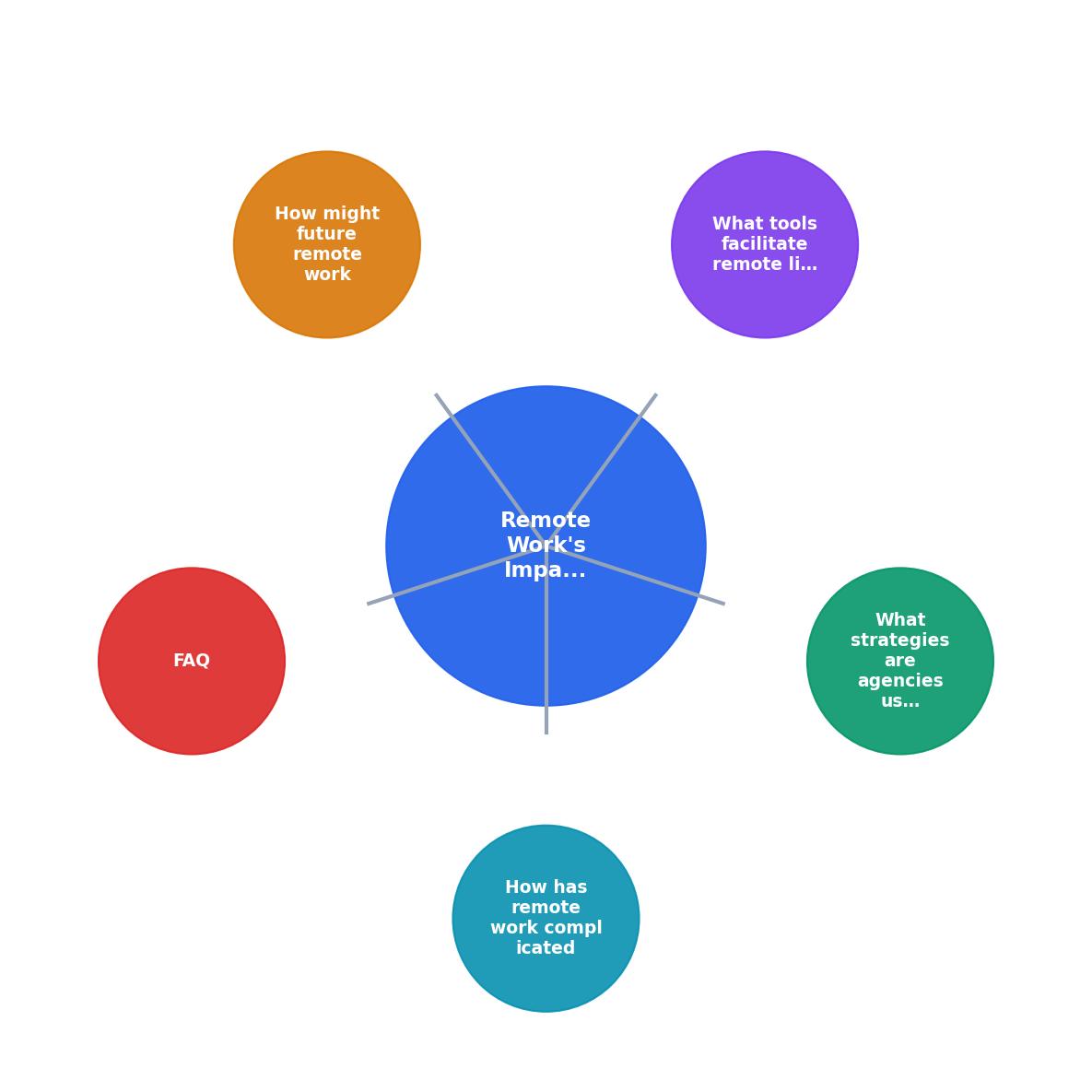
The diagram shows the key steps: Asset Download, Certificate Capture, Central Archive, Audit Request, and Proof Delivery. Each step feeds the next. Break any link and the chain fails at audit time.
Tools that bridge the gap

Not every agency needs enterprise software. But every distributed agency needs something better than "it's on my laptop somewhere." Here is a practical stack:
The following dashboard shows an example scenario for a mid-size agency tracking licence compliance across a distributed team of 20 people using four stock platforms:
Remote Agency Licence Compliance Dashboard
| Manual (Spreadsheet + Email) | Centralized + Automated |
|---|---|
| Certificates on individual laptops | Single cloud archive |
| Hours to respond to audit requests | Minutes with search |
| Freelancer offboarding gaps | Automated download history capture |
| Platform-by-platform manual exports | Bulk download across all platforms |
| No visibility into missing records | Dashboard shows gaps instantly |
Future of remote licence management
Remote and hybrid work is not reverting. The agencies that treat licence compliance as a process problem (not a location problem) will scale without accumulating legal debt.
Three trends worth watching:
- Platform APIs for licence verification. Stock platforms are slowly opening programmatic access to download and licence history. This will make automated compliance checks faster and more reliable.
- AI-assisted asset tracking. Tools that scan project files and match them against licence databases will reduce the manual mapping work that currently falls on operations leads.
- Regulatory pressure on digital asset provenance. As AI-generated content blurs the line between licensed and unlicensed imagery, agencies that can prove clean provenance for every asset gain a competitive edge with risk-conscious clients.
Integration guide for remote teams
Remote Licence Management Integration Guide
Your progress is saved automatically in your browser.
FAQ
Frequently Asked Questions
Additional Resources
- Business license requirements for remote employees - Business licensing requirements must be met when starting an online, home-based business, and when working remotely in some cases.
- Multistate Compliance For Insurance Companies - But remote work opens up the ability to hire agents and producers from states they have less familiarity with onboarding in. As a result, ...
- Managing a Remote Insurance Agency Staff - Almost 95% of companies surveyed found that remote talent improved their retention rates. Better retention not only means less money spent ...