Legal Use of Depositphotos Images Explained
Navigating the world of stock images can be tricky, especially for small-business owners who want to ensure they are using images legally and effectively. Depositphotos offers a variety of image licenses, each with specific rights and restrictions. Understanding these terms can help you avoid copyright infringement and use images confidently in your marketing efforts. Let's dive into what constitutes legal use of Depositphotos images under their licensing terms.

Navigating the world of stock images can be tricky, especially for small-business owners who want to ensure they are using images legally and effectively. Depositphotos offers a variety of image licenses, each with specific rights and restrictions. Understanding these terms can help you avoid copyright infringement and use images confidently in your marketing efforts. Let's dive into what constitutes legal use of Depositphotos images under their licensing terms.
Photo by Markus Winkler from Pexels
TL;DR: Depositphotos images can be used legally under standard or extended licenses, with specific rights and restrictions. Understanding these terms helps small-business owners ensure compliance and avoid copyright infringement.
When using Depositphotos images, it is crucial to understand the types of licenses available and what each permits. This knowledge not only safeguards you legally but also ensures you are maximizing the potential of your purchased assets. Let’s explore the intricacies of these licenses and how to use them legally.
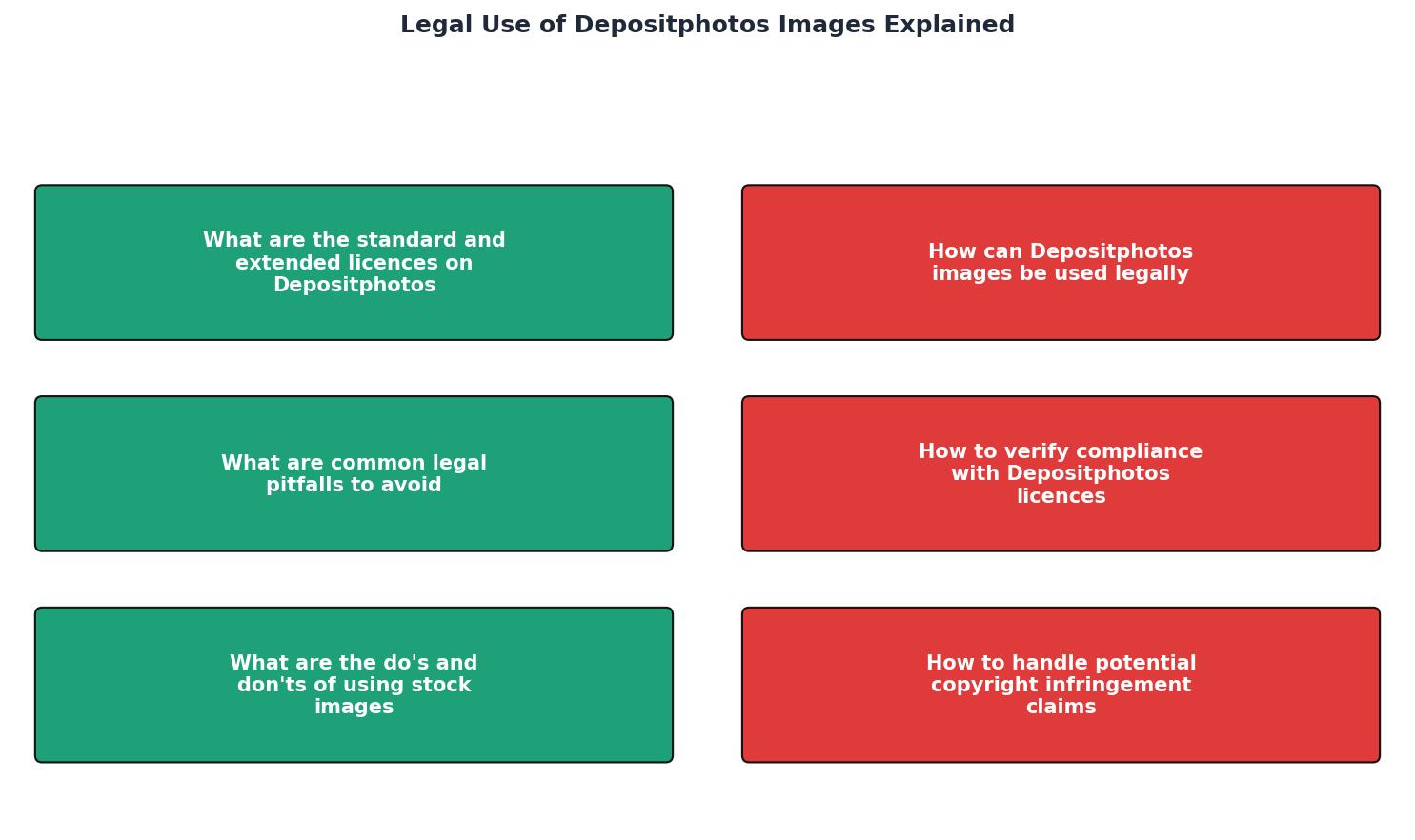
What are the Standard and Extended Licenses on Depositphotos?
Depositphotos offers two primary types of licenses: Standard and Extended. Each type has its own set of permissions and restrictions, which dictate how you can legally use the images.

Standard License
The Standard License is a versatile option that caters to a wide array of uses. It is particularly suitable for personal projects, small business marketing, and editorial use. This license permits the use of images for:
- Digital Advertising: You can incorporate images into online ads, banners, and social media posts. However, it is important to note that the Standard License has a cap on the number of copies or impressions, typically limited to 500,000.
- Websites and Blogs: Images can be used to enhance website content and blog posts, making them more visually appealing and engaging for the audience.
- Print Materials: The license allows for the use of images in brochures, leaflets, and other marketing materials, again within the 500,000 copy limit.
Extended License
The Extended License is designed for broader commercial use and offers greater flexibility. This license is ideal for:
- Unlimited Copies: Unlike the Standard License, the Extended License removes the cap on the number of copies or impressions. This makes it perfect for large-scale marketing campaigns and wide distribution.
- Resale Items: You can use images on products intended for resale, such as T-shirts, mugs, and other merchandise. This is particularly beneficial for businesses looking to integrate stock images into products they sell.
- Templates and Digital Products: The license allows for the inclusion of images in digital products, such as templates or software, that are distributed to customers.
"The Royalty-Free license allows for multiple use of an image but it’s equally important to comply with the rules of the license which has a limitation on the distribution of images.">, Understanding Stock Photography Copyright
How Can Depositphotos Images Be Used Legally?
The legal use of Depositphotos images under these licenses depends on the project. Here’s a breakdown of permissible uses:
- Advertising and Marketing: Images can be used in online ads, promotional materials, and brochures under both licenses, provided the distribution limits are respected. For example, a small business could use a Standard License image in its local advertising campaign, ensuring it doesn’t exceed the impression limit.
- Editorial Use: Articles, blogs, and news websites can freely incorporate these images as long as they adhere to the license terms. This means that a magazine or news website can use a Standard License image to accompany an article, enhancing reader engagement without breaching terms.
- Merchandise: Only the Extended License permits the use of images on products intended for resale. For instance, a company creating custom merchandise can legally use an image from Depositphotos in their designs, provided they have the appropriate Extended License.

Key takeaway: Always verify the terms of your license to ensure that your intended use is covered.
What are Common Legal Pitfalls to Avoid?
Many users inadvertently misuse stock images due to misunderstandings of licensing terms. Here are some common pitfalls:
- Exceeding Copy Limits: Using a Standard License image in a campaign that exceeds 500,000 impressions can lead to infringement. This often happens when a business scales a campaign without upgrading to an Extended License.
- Resale of Images: Selling products with images under a Standard License is prohibited. Businesses that fail to upgrade to an Extended License when needed risk significant legal repercussions.
- Improper Attribution: Although not always required, improperly attributing images can lead to misunderstandings. It’s essential to follow any attribution guidelines provided by Depositphotos.

Avoid these pitfalls by thoroughly reviewing the license terms and ensuring your use case fits within them.
How to Verify Compliance with Depositphotos Licenses?
Ensuring compliance with Depositphotos licenses involves several steps:
- Read the License Agreement: Before using any image, read the license terms carefully. This is crucial for understanding what is permitted under each license type.
- Document Usage: Keep records of where and how images are used. This documentation is essential if you ever need to prove your compliance with the licensing terms.
- Monitor Distribution: Ensure your usage does not exceed the limits of your license. Regularly review your marketing materials and distribution numbers to stay within the permitted range.
By following these steps, you can protect yourself from potential legal issues and make the most of your stock image purchases.
What are the Do's and Don'ts of Using Stock Images?
Here’s a quick guide to help you navigate the use of Depositphotos images:
Do's and Don'ts for Using Depositphotos Images
Your progress is saved automatically in your browser.
Following these guidelines will help you use stock images legally and effectively.
How to Handle Potential Copyright Infringement Claims?
Receiving a copyright claim can be daunting, but handling it properly is crucial:
- Review the Claim: Understand the specifics and verify the legitimacy of the claim. Make sure the claim is valid and pertains to your usage of the image.
- Consult Legal Advice: If necessary, seek professional legal advice to navigate the issue. A legal expert can provide guidance on how to address the claim effectively.
- Provide Proof of License: If you have the appropriate license, provide this documentation as evidence. This can often resolve the issue quickly if your use was indeed compliant.
FAQ
Frequently Asked Questions
Are you using Depositphotos images correctly? Share your experiences and tips in the comments below!
Additional Resources
- Understanding Stock Photography Copyright - The photographer is the sole owner of the image, and it is illegal to use the copyrighted material for any purposes. There are two basic types of rights:.
- I purchased a stock image from an online repository, ... - Typically, your original license from the seller (e.g., Depositphotos) suffices to demonstrate lawful use. Always keep records of licenses ...
- Standard License Vs. Extended License for Images - Most photos, vectors, and illustrations in the Depositphotos library are available under the Standard License. This type of license agreement covers the most ...
Need to Download Your Licences?
Save hours of manual work. We download all your stock photo licence certificates for you.
Get Started“Thanks to LicenceDownloader.com, I was able to download more than 1,000 Freepik licences and receive them all at once via ZIP.”
Marlon Mainardy